DEFI MARKETING SERVICES EXPLAINED FOR 2026
Why DeFi Protocols Need Marketing in 2026
Shipping a solid product is no longer enough to guarantee growth in the big 2026 anymore. The DeFi landscape is crowded with lookalike dApps, users are tired of farming the same incentives, and real user growth has slowed across most chains. Liquidity is still moving, but for many protocols, it’s just rotating rather than expanding.
In this environment, marketing stops being optional.
The DeFi protocols that continue to grow are the ones that put users first. They invest in education, explain their value clearly, and build systems that reward real participation instead of short-term speculation. Most of them do this with the help of a marketing team or agency that understands how DeFi actually works.
This article breaks down what DeFi marketing services really include, which parts matter most in 2026, and how to evaluate whether an agency is the right fit for your stage.
What DeFi Marketing Services Actually Include
“DeFi marketing” gets thrown around a lot, but in practice, it usually comes down to a few core areas.
Content and campaign planning are foundational. Educational blogs, explainers, and clear threads help users understand how your protocol works and why it exists in the first place. If users don’t understand the product, they won’t use it, no matter how good the APY looks.
Social media, especially X, is still a major pillar. Most agencies support daily posting, replying, and participating in ongoing conversations. The so-called “reply-guy” strategy works when it’s done thoughtfully, not when it’s spammy. Spaces also matter, particularly when founders or builders are involved rather than just marketing accounts.
Community building is where weaker projects usually get exposed. Good agencies help set up Telegram or Discord communities with structure: roles, contributor paths, lightweight incentives, and feedback loops. This is where users either feel like insiders or quietly leave.
For launches and campaigns, KOL partnerships still play a role. The mistake many teams make is chasing top-tier influencers too early. Smaller, niche voices with real credibility often perform better, especially when campaigns are coordinated around a clear narrative.
The most overlooked part of all this is positioning. A strong agency doesn’t just ask what your protocol does. It helps you frame why it matters in a way that maps to real user pain points.
What a Good Agency Actually Does
Most people think of agencies as external promoters. In crypto, the best ones behave more like internal growth teams.
A good agency plugs into your roadmap. They make sure launches don’t go unnoticed, narratives stay consistent, and messaging evolves as the product does. They don’t just push announcements, they help you decide what’s worth announcing.
They also don’t default to the most expensive options. Instead, they help shape your story, design campaigns that fit your stage, and build reporting systems that track what actually matters: engagement quality, community health, and downstream on-chain behavior, not just impressions.
The best agencies feel less like vendors and more like an extension of your team.
Why User-First Marketing Wins in 2026
In early DeFi, having a functional UI and a few whales was often enough to attract liquidity. That era is gone.
Today’s users expect clarity, speed, and proof. They want to know why your protocol exists, what problem it solves, and yes, how they can make money from it. Let’s be honest about that part.
They also want communities that feel alive. Not just announcement channels, but places where questions get answered and contributions are recognised.
User-first marketing starts by understanding who your users actually are. Are they airdrop farmers, LPs, DAO operators, or active on-chain traders? Each group cares about different things: yield, tooling, education, or status. From there, it’s about meeting them where they already are, whether that’s X, Farcaster, Discord, or Telegram, and delivering on the promise your product makes. And YES, you should have a real product. Tokens with vibes don’t last.
Why Liquidity Alone Isn’t Growth
A protocol can have deep liquidity and still be effectively dead.
In 2026, mercenary capital moves fast. Farming strategies, bridges, and LRTs make liquidity incredibly fluid and incredibly indifferent. Without real user engagement and protocol stickiness, liquidity is just borrowed attention. Marketing doesn’t magically solve this, but it does help set expectations, explain risk-reward tradeoffs, and shape user behavior. Protocols that win in the long term are the ones that tell a story that makes users want to stick around and participate.
Retention is almost always cheaper than acquisition. Many teams learn this too late.
Ecosystem Awareness Is a Growth Strategy
No protocol grows in isolation. Whether you’re building on Arbitrum, Base, or Monad, your chances of success are shaped by the narratives, tooling, and communities around you.
A good marketing strategy makes the most of these ecosystems. That means aligning with seasonal incentives, collaborating with infra partners, co-authoring thought leadership, and showing up in the spaces your users already trust.
The strongest agencies don’t just post on X. They position your protocol as a contributor to something bigger. Partner leverage is often free, underused, and one of the fastest ways to build credibility.
How to Choose the Right DeFi Marketing Agency
Not every DeFi marketing company is built for the realities of Web3. Many can generate noise. Very few can support sustained growth once incentives fade and markets turn.
A simple way to filter is to look at what they’ve shipped and whether they understand your ecosystem’s culture. One framework that works well in practice is the 5Cs:
Credibility: Do they have a DeFi background on the team? Are they active DeFi users?
Context: Do they understand your product category and where it fits in the DeFi stack?
Capability: Did they execute across content, community, and campaigns, not just one vertical with past clients?
Communication: Are they aligned with your tone, tempo, and expectations?
Cost-efficiency: Are they offering value for the cost, or just pricing low to close deals?
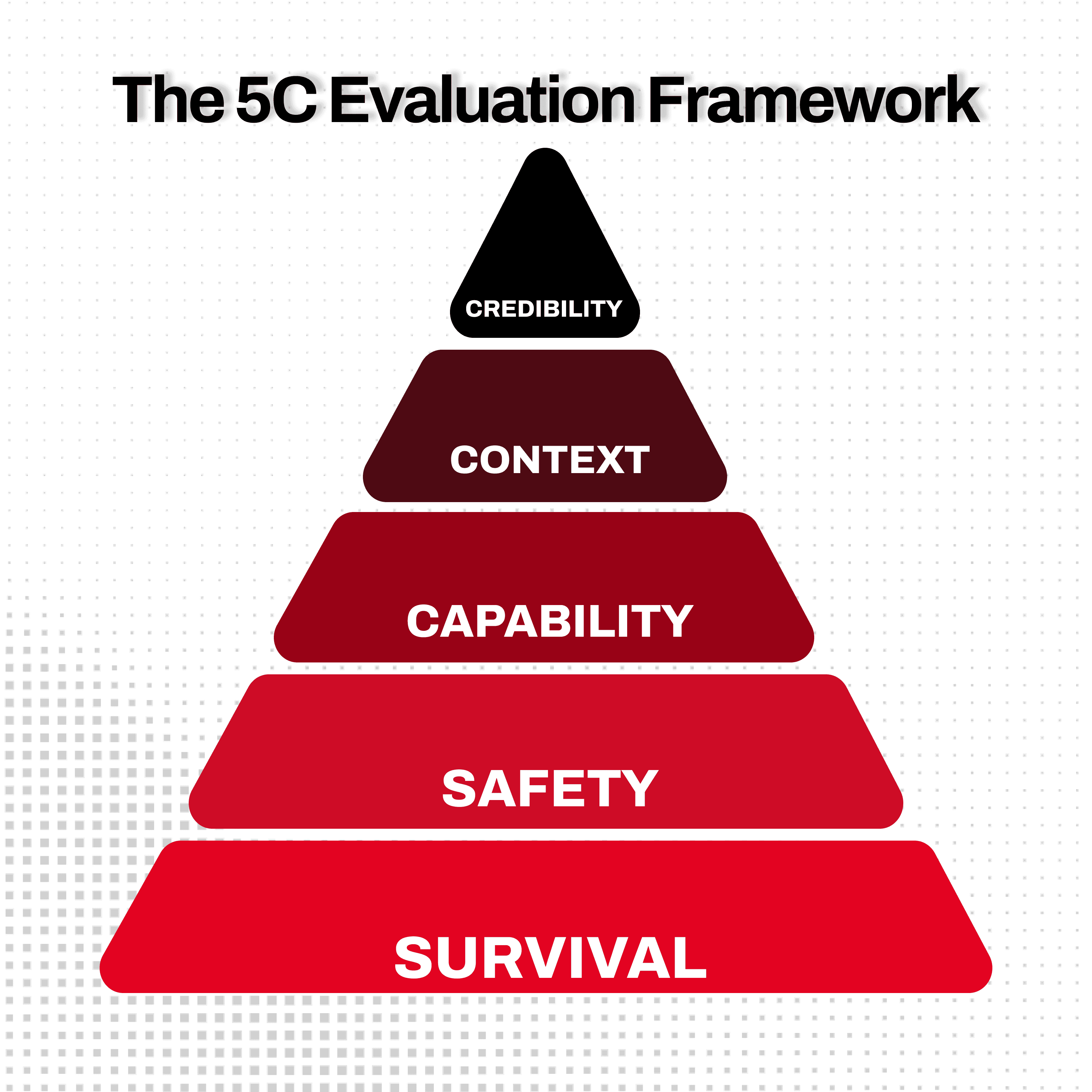
Fig 1: The 5C Evaluation Framework
Radarblock works with DeFi teams that care about longevity, not just launch-week metrics. The focus is on clarity first, helping protocols explain what they actually do, why it matters, and who it’s for, before scaling distribution through content, community, and campaigns.
For projects looking for one of the best DeFi marketing agencies to support sustainable growth, Radarblock’s approach prioritises credibility, consistency, and real user engagement over hype.
If you want more insights like this, subscribe to the Radarblock RaaS newsletter and read about real campaign lessons, growth frameworks, and practical Web3 marketing insights without the fluff.